
How to Clean Floors Naturally
Anjali Sharma
Working Mom, Founder & Editor of The Balanced Working Mom
Practical, research-led guidance for Indian women navigating marriage, motherhood & work.
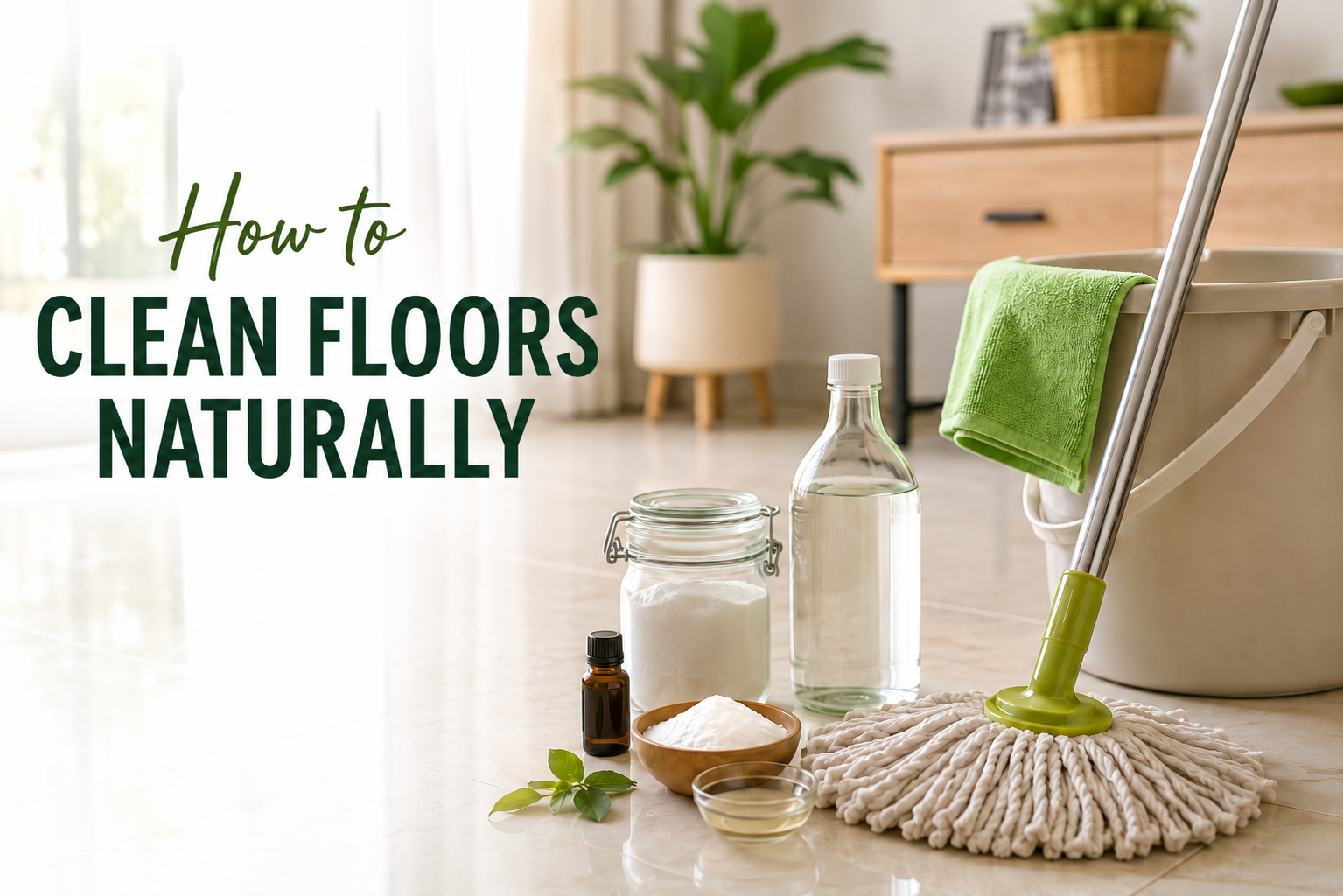
Table of Contents
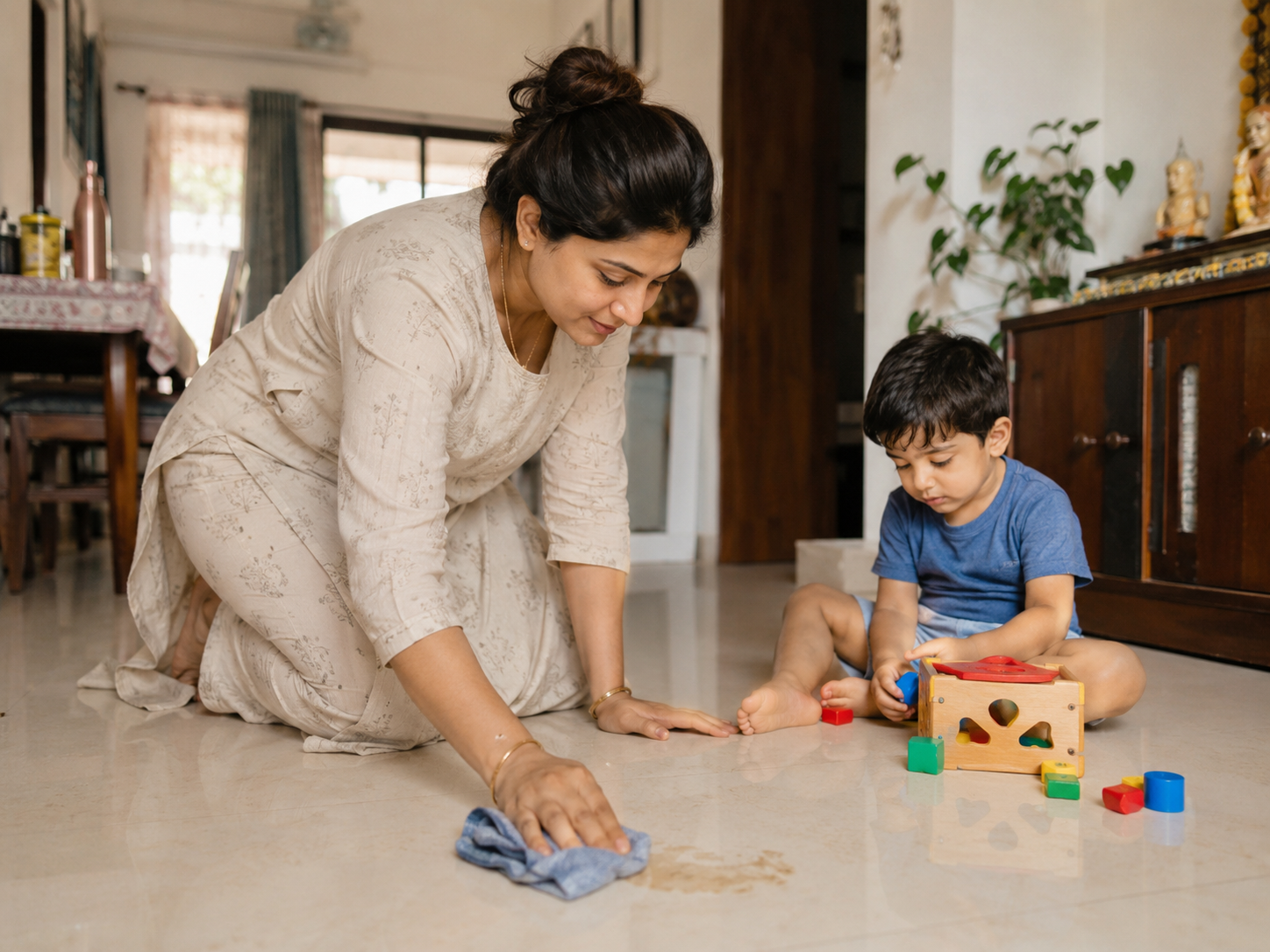
If you are a mom, you already know the floor somehow gets dirty five minutes after cleaning it.
One child walks in with dusty feet. Someone drops biscuit crumbs under the table. There is a little dal, a little juice, a little mystery sticky patch near the sofa. And if you work from home, you probably notice all of it between calls.
The good news? You do not need strong-smelling phenyl or heavy chemical cleaners every single day. Learning how to clean floors naturally can help you keep your home fresh, safer for kids, and easier to manage without adding one more complicated task to your routine.
This guide is for real Indian homes, not perfect Pinterest homes. Simple ingredients. Simple steps. No overthinking.
Key Takeaways
- Warm water and a clean pocha or microfiber mop are enough for light daily cleaning.
- A simple natural mopping solution can work as a phenyl alternative for many regular floor messes.
- Vinegar works well for some tile and vinyl floors, but not for marble, granite, or natural stone.
- Avoid using too much water on wooden, laminate, or vinyl floors.
- Baking soda can help with stains, but use it gently.
- Always test any natural floor cleaner in a small hidden corner first.
Why Clean Floors Naturally in a Family Home?
When you have kids at home, the floor is not just a floor.
It is where they sit with toys, do puzzles, drop snacks, lie down after school, and sometimes eat things before you can stop them.
That is why many moms prefer a floor cleaner without chemicals that smell too strong for daily use. Natural cleaning can help reduce harsh smells and make everyday floor care feel simpler.
It is also budget-friendly. You do not need ten different bottles under the sink. Most regular floor cleaning can be done with warm water, mild soap, baking soda, vinegar, and a good mop.
But one thing is important: natural does not mean safe for every floor. What works on tiles may not work on marble, granite, or wooden floors.
If you are also trying to make your home routine easier, you can internally link to a related post here: simple home routines for working moms.
What You Need to Clean Floors Naturally
You do not need fancy tools. Keep these basics at home:
- Microfiber mop or clean cotton pocha
- Soft broom or vacuum cleaner
- Bucket
- Warm water
- White vinegar
- Baking soda
- Mild dish soap or castile soap
- Soft cloth
- Spray bottle
A microfiber mop is helpful because it picks up dust well and does not need too much water. But if you use a regular cotton pocha, that is also fine. Just make sure it is clean and not dripping wet.
For daily floor cleaning, the tool matters as much as the cleaner. A dirty mop can make the whole house smell bad even when your cleaning mix is good.
How to Clean Floors Naturally: Simple Daily Method
This is the easiest method for daily or alternate-day cleaning, especially if you have kids, school bags, snack crumbs, and dust coming in all day.
Step 1: Sweep Before Using a Natural Mopping Solution
Always remove dust, hair, crumbs, and small food bits before mopping.
If you directly mop over dust, the floor can look cloudy or streaky. This is common in Indian homes because dust comes in so easily from balconies, windows, and main doors.
Step 2: Use Warm Water for Light Floor Cleaning
For light cleaning, warm water alone can do a lot.
Dip your pocha or mop in warm water, squeeze it properly, and wipe the floor. The mop should be damp, not soaking wet.
This is often enough for bedrooms, living rooms, and areas that are not too sticky.
Step 3: Add Mild Soap for Sticky Floor Spots
If the floor feels sticky, add a few drops of mild dish soap to a bucket of warm water.
Do not add too much soap. It can leave a slippery layer, and then the floor attracts more dirt.
Step 4: Dry Wet Areas After Natural Floor Cleaning
If you have small kids running around, wet floors are always a slipping risk.
After mopping, switch on the fan or wipe extra wet patches with a dry cloth. This is especially important in the kitchen, bathroom entrance, and play area.
Pocha Paani Recipe: Natural Mopping Solution for Everyday Cleaning
This is a simple pocha paani recipe you can use for regular tile or vinyl floors.
Natural Mopping Solution Ingredients
- 1 bucket warm water
- 1/4 cup white vinegar
- 3–4 drops mild dish soap
Mix everything in the bucket and mop as usual.
This natural mopping solution works well for everyday dirt, light stains, food spills, and mild stickiness. It can also work as a simple phenyl alternative when you want the floor to feel clean without a strong smell.
Do not use this mix on marble, granite, or natural stone floors because vinegar can damage them.
For busy days, you can also keep a good natural floor cleaner at home so you don’t have to mix a DIY solution every time.
How to Clean Tile Floors Naturally
Most Indian homes have tile flooring, and thankfully, tiles are quite easy to clean.
For daily cleaning, warm water is usually enough. For deeper cleaning, use warm water with a little vinegar and mild soap.
How to Clean Tiles Naturally With Vinegar and Mild Soap
Mix:
- 1 bucket warm water
- 1/4 cup white vinegar
- Few drops of mild dish soap
Mop the floor and let it air dry.
For kitchen tiles, this can help with light oiliness and food marks. If the floor still feels sticky, mop once again with plain water.
How to Clean Tile Grout Naturally
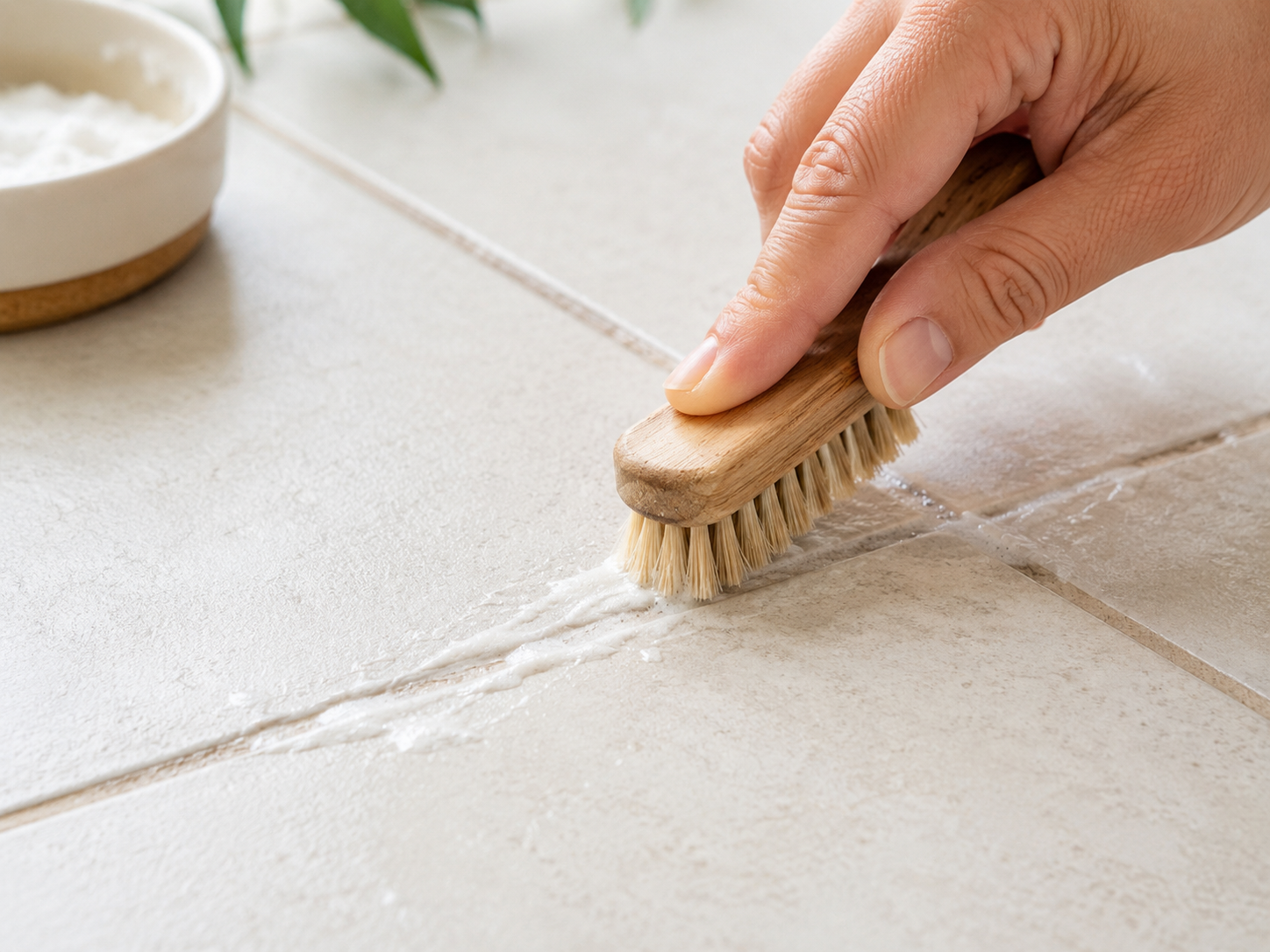
For dirty grout lines, make a paste with baking soda and water.
Apply it to the grout, leave it for a few minutes, and scrub gently with an old toothbrush or soft brush. Then wipe with clean water.
Do not scrub too hard. You want to clean the grout, not damage it.
How to Clean Marble or Granite Floors Naturally
Many Indian homes have marble or granite flooring. These floors look beautiful, but they need gentle care.
Do not use vinegar, lemon, or any acidic cleaner on marble or granite. These can make the surface dull over time.
Best Natural Cleaner for Marble and Granite Floors
Use:
- Warm water
- Few drops of mild pH-neutral soap
Mop gently and dry the floor after cleaning.
For stains, do not scrub too hard. Marble can get scratched or lose its shine. If you are unsure, test in a small corner first.
This is one place where “natural” ingredients like lemon and vinegar are not always better. For stone floors, gentle and neutral is safer.
How to Clean Wooden or Laminate Floors Naturally
Wooden and laminate floors should never be soaked with water.
Too much water can make them swell, bend, or lose their finish. So the safest method is a lightly damp mop.
How to Clean Wooden Floors Naturally Without Too Much Water
Mix:
- 4 cups warm water
- 2–3 drops mild soap
Dip the mop, squeeze it very well, and clean small sections at a time.
Dry the floor quickly with a soft cloth if needed.
Avoid vinegar, harsh scrubbing, steam mops, and oil-based cleaners unless your flooring brand clearly says they are safe.
How to Clean Laminate Floors Naturally
For laminate floors, use the same mild method: warm water, a tiny amount of soap, and a very well-squeezed mop.
Never leave water sitting on laminate. Clean spills quickly, especially near the kitchen, balcony door, or kids’ water bottles.
How to Clean Kitchen Floors Naturally
Kitchen floors need extra care because of oil, food spills, flour, rice, and masala stains.
First, sweep properly. Then use warm water with a few drops of dish soap.
For regular tile kitchen floors, you can also add a little vinegar. This helps cut mild grease.
Natural Kitchen Floor Cleaner for Oil and Food Spills
Mix:
- 1 bucket warm water
- Few drops mild dish soap
- 1/4 cup vinegar, only if your floor is tile or vinyl
For sticky oil spots, place a damp warm cloth on the area for a minute. Then wipe gently with soap water.
Avoid using too much soap, or the kitchen floor can become slippery.
You can internally link this section to: how to clean the kitchen naturally.
How to Remove Common Floor Stains Naturally
Every home with kids has floor stains. Some are easy. Some are suspicious.
Here are simple ways to handle them without turning it into a full cleaning project.
How to Clean Food Spills Naturally
Wipe immediately with a damp cloth. Then clean the spot with warm water and mild soap.
This works for dal, milk, juice, and most snack spills.
How to Remove Turmeric or Masala Stains From Floors
Haldi stains can be stubborn.
Clean the area quickly with mild soap and warm water. If the stain remains, apply a small baking soda paste gently, leave it for a few minutes, and wipe it off.
Do not scrub harshly, especially on marble or polished floors.
How to Clean Sticky Candy or Chocolate From Floors
Use a warm damp cloth first. Let it sit on the sticky area for a minute, then wipe.
If needed, add one drop of dish soap.
How to Remove Crayon Marks From Floors
Try a damp microfiber cloth first. If that does not work, use a small amount of baking soda paste and rub very gently.
Test first, especially on delicate floors.
How to Remove Bad Smells From Floors Naturally
Sometimes the floor looks clean but still smells odd, especially near the dining area or kitchen.
Mop with warm water and mild soap. For tile floors, you can add a little vinegar. Keep the room ventilated and let the floor dry fully.
Also check the mop itself. Many times, the bad smell is not from the floor. It is from an old wet pocha or mop head.
What Not to Use When Cleaning Floors Naturally
Natural cleaning is simple, but a few mistakes can damage floors.
Avoid these:
- Do not use vinegar on marble, granite, or natural stone.
- Do not use lemon juice on stone floors.
- Do not soak wooden or laminate floors.
- Do not use too much soap.
- Do not scrub floors with harsh brushes.
- Do not mix random cleaning products together.
- Do not leave baking soda sitting on delicate floors for too long.
- Do not assume every “natural” cleaner is safe for every surface.
Simple is better. A mild cleaner used regularly is more useful than a strong cleaner used once in a while.
Floor Cleaner Without Chemicals: What Does That Really Mean?
Many people search for a floor cleaner without chemicals, but technically, everything is made of chemicals, even water.
What most moms really mean is this: they want a cleaner without harsh smells, heavy fumes, or ingredients that feel too strong for daily family use.
So instead of chasing a perfect chemical-free cleaner, focus on a safer everyday routine:
- Use warm water for light cleaning.
- Use mild soap when the floor is sticky.
- Use vinegar only on floors where it is safe.
- Keep rooms ventilated after mopping.
- Choose fragrance-free or mild cleaning products when possible.
This makes the routine more realistic and easier to keep up with.
For a related future post, internally link here to: safe cleaning products for homes with kids.
Easy Floor Cleaning Routine for Busy Moms
You do not need to deep clean every day. You already have enough on your plate.
Try this instead.
Morning or Evening Quick Floor Clean
Sweep the main areas:
- Kitchen
- Dining area
- Living room
- Kids’ play area
This takes a few minutes and makes the home feel instantly better.
Daily Natural Mopping for High-Traffic Areas
Mop high-traffic areas with warm water.
If the floor is not very dirty, plain warm water is enough.
Twice-a-Week Natural Floor Cleaner Routine
Use a natural cleaner based on your floor type.
For tiles, use warm water with mild soap and a little vinegar. For marble or granite, use only warm water and mild soap.
Spot-Clean Spills Before They Become Stains
Spot-clean spills immediately.
This one habit saves a lot of time later. It also keeps you from needing stronger cleaners.
My Favorite Natural Floor Cleaning Tools
You do not need too many products to keep your floors clean naturally. A few simple tools can make the job easier, especially on busy days.
- A soft cleaning brush for corners and sticky spots
- A microfiber mop for daily cleaning
- A spray mop for quick touch-ups
- A natural floor cleaner for days when you do not want to mix a DIY solution
- Reusable mop pads to avoid wasting disposable wipes
| Need | Best Product To Link |
|---|---|
| Daily floor cleaning | Microfiber mop |
| Fast spills | Spray mop |
| No DIY mixing | Natural floor cleaner |
| Sticky corners | Soft scrub brush |
| Less waste | Reusable mop pads |
A Small Reminder for Moms
Your home does not need to look spotless all the time.
A clean home is nice, but a lived-in home will have crumbs, toys, school bags, snack plates, and tiny footprints. That does not mean you are failing. It means people live there.
So do what is manageable.
Some days, you will mop properly. Some days, you will just wipe the sticky patch and move on. Both are okay.
FAQs About How to Clean Floors Naturally
What is the best way to clean floors naturally?
The best way is to sweep first, then mop with warm water and a floor-safe natural cleaner. For many floors, warm water and a few drops of mild soap are enough.
What is a simple pocha paani recipe for daily cleaning?
For tile or vinyl floors, mix one bucket of warm water with 1/4 cup white vinegar and a few drops of mild dish soap. Do not use this recipe on marble, granite, natural stone, wood, or laminate floors.
Can I use vinegar to clean floors naturally?
Yes, but only on some floors like tiles and vinyl. Do not use vinegar on marble, granite, natural stone, or delicate wooden floors.
What is a good phenyl alternative for floor cleaning?
For everyday tile cleaning, warm water with a few drops of mild soap can work well. You can add a small amount of vinegar for tile or vinyl floors, but avoid vinegar on marble, granite, and stone.
Can I clean floors naturally with just water?
Yes. For daily light cleaning, warm water and a microfiber mop or clean pocha can work well, especially if you sweep first.
Is baking soda safe for floor cleaning?
Baking soda can help with stains, but use it gently. Do not scrub too hard or leave it for too long on delicate floors.
How often should I mop the floor?
For busy family homes, high-traffic areas may need daily mopping. Other rooms can be mopped a few times a week, depending on dust, spills, and foot traffic
This is not professional flooring advice. Always check your flooring brand’s care instructions before using any new cleaner.
Final Thoughts
Learning how to clean floors naturally does not mean adding more work to your already full day.
It simply means using safer, simpler cleaning methods that fit your real life.
Start with warm water, a good mop, and mild soap. Use vinegar only where it is safe. Clean spills quickly. And remember, the goal is not a perfect home.
The goal is a home that feels clean, safe, and manageable for you and your family.

Hey there,
I’m Anjali, founder of The Balanced Working Mom.
I write for modern Indian women navigating marriage, career, motherhood, home, and the quiet identity shifts that happen in between.
Everything I share comes from real life — from managing work and family to learning, slowly, how not to lose yourself while building a beautiful life.
Helpful Sources
CDC: When and How to Clean and Disinfect Your Home
www.cdc.gov/hygiene/about/when-and-how-to-clean-and-disinfect-your-home.html
EPA Safer Choice
www.epa.gov/saferchoice
Natural Stone Institute: Learn About Cleaning Products for Natural Stone
www.naturalstoneinstitute.org/consumers/care/


Hi, this is a comment.
To get started with moderating, editing, and deleting comments, please visit the Comments screen in the dashboard.
Commenter avatars come from Gravatar.